

Crossroads: Restoring dignity and co-creating futures in South Africa

In 1994, four visionaries looked at South Africa’s underserved communities and saw not limitations, but possibilities. They dreamed of classrooms where children could grow, neighborhoods where women could lead, and communities strong enough to stand on their own. From that dream, Crossroads was born.
Since then, Crossroads has operated at the intersection point of compassion and action. It champions a simple belief: hand-ups change lives more deeply than hand-outs. Every program aims to restore dignity, nurture hope, and spark change that lasts.
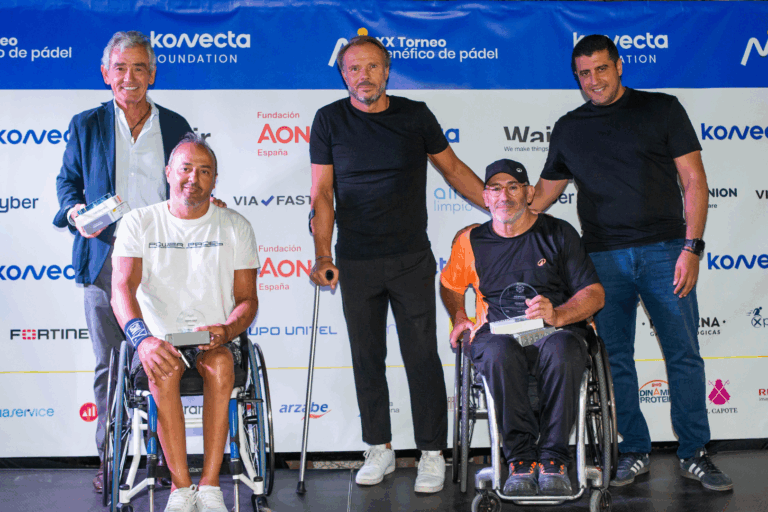
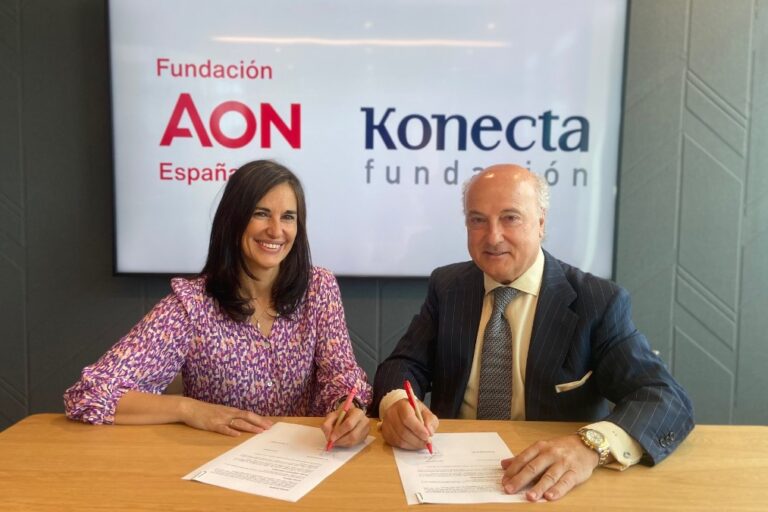
In 2024, this commitment was recognized on a global stage when Crossroads was selected as one of the winners of 14th Konecta Foundation’s Internal Call for social projects (now Community Impact Call). It was a powerful acknowledgment of their long-standing work and a partnership that continues to amplify community-led transformation.
The challenges women face and how Crossroads responds
Women in South Africa are often at the intersection of violence, economic inequality, and cultural pressure. Crossroads works daily to soften these blows and rebuild pathways toward safety and independence.
1. Gender-based violence and femicide. With gender-based violence at alarming levels, many women live under fear. Crossroads supports survivors through:
- Safe spaces
- Trauma healing
- Community advocacy
- Support groups that rekindle confidence
2. Economic inequality and the gender pay gap. Women earn far less than men for the same work. Black women face even deeper barriers. Crossroads develops:
- Skills training
- Micro-enterprise opportunities
- Financial independence programs
3. Underrepresentation in leadership. Crossroads nurtures women’s leadership by providing:
- Training
- Mentorship
- Community platforms where women can lead and be heard
4. Unpaid care work. Women carry most household responsibilities, limiting their mobility. Crossroads works toward:
- Affordable childcare
- Community education
- Long-term social change
5. Mental health challenges. Trauma, unemployment, and stress weigh heavily on women. Crossroads integrates psychosocial care across all its initiatives.
Programs that shape futures
Free Educare Centres: Children aged 4 to 5 receive early learning that builds emotional, cognitive, and social foundations. These centers spark curiosity and set the stage for lifelong growth.
Peer Education: a youth-powered movement in Ndwedwe schools, giving young people tools to discuss health, relationships, and personal choices with confidence and clarity.
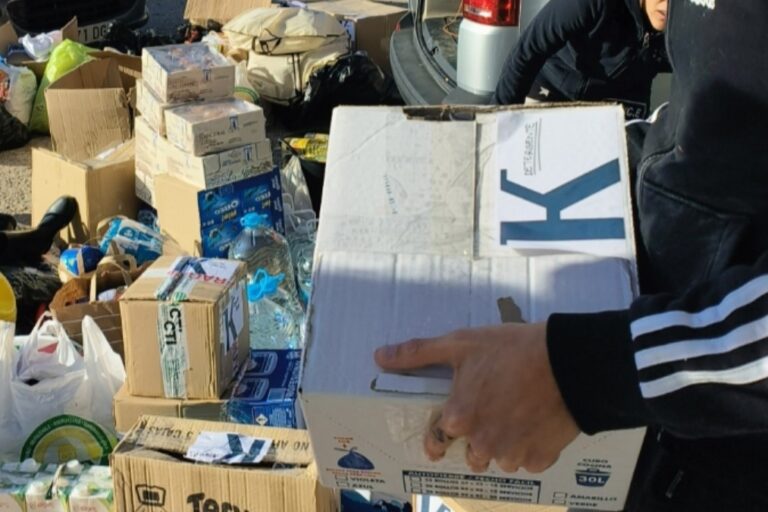
Humanitarian Response: floods, fires, displacement, hunger. Crossroads responds swiftly with coordinated relief, meeting urgent needs when time matters most.
Community Projects: from renovated schools to nutrition initiatives that feed 5000 children daily, Crossroads works where needs are greatest:
- The 1000 Blocks Project, where women rebuilt homes with blocks they created
- Daily soup kitchens offering nutrition and stability
- Clean water projects, including Water for Hope, supporting over 700 families
Konecta Foundation and Crossroads: A partnership that expands opportunity
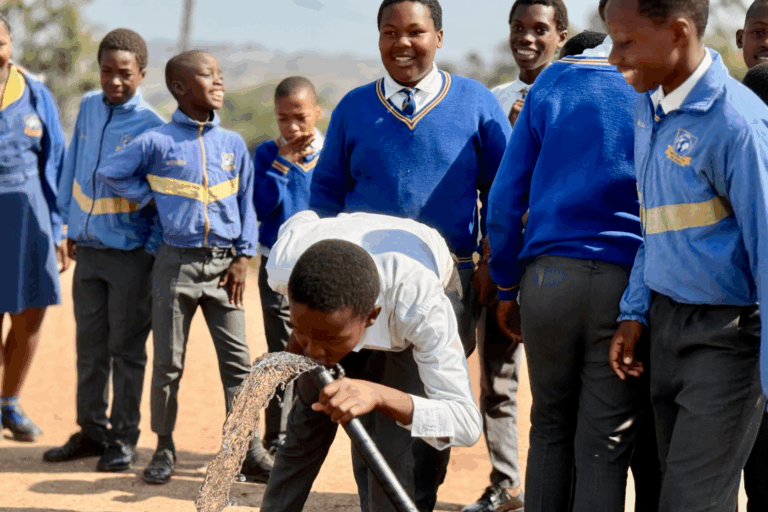
Crossroads’ selection as a 2024 Internal call for social projects (Now Community Impact Call) winner marked a turning point in its partnership with Konecta Foundation. The collaboration has already transformed Mayika Primary School through:
- A newly sponsored borehole bringing fresh drinking water to 153 learners and 300+ families
- A full school repainting that brings color and pride
- A safer, upgraded playground
- Christmas gifts for every child, delivering joy and belonging
Success story: The women who built their own homes
One of Crossroads’ most inspiring transformations is the 1000 Block Project.
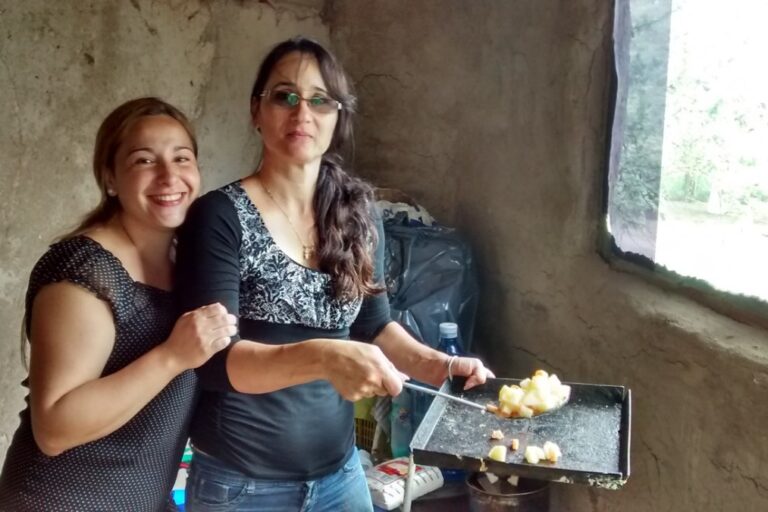
After the KwaZulu-Natal floods destroyed their homes, 18 women chose not to wait for rescue, but to rebuild with their own hands. Crossroads taught them to create durable blocks from locally sourced materials. In just one day, they learned the skill that would reshape their future.
Together, young and elderly women carried sand, mixed concrete, and molded each block. Crossroads supplied essential materials like roofing, windows, doors, paint, and cement, while the women supplied their strength and unity.
By October 2025, all 18 homes stood proudly finished.
These are not just structures.
They are symbols of resilience.
They are proof that empowerment becomes exponential when a community believes in itself.
Success story: The women who built their own homes
One of Crossroads’ most inspiring transformations is the 1000 Block Project.
After the KwaZulu-Natal floods destroyed their homes, 18 women chose not to wait for rescue, but to rebuild with their own hands. Crossroads taught them to create durable blocks from locally sourced materials. In just one day, they learned the skill that would reshape their future.
Together, young and elderly women carried sand, mixed concrete, and molded each block. Crossroads supplied essential materials like roofing, windows, doors, paint, and cement, while the women supplied their strength and unity.
By October 2025, all 18 homes stood proudly finished.
These are not just structures.
They are symbols of resilience.
They are proof that empowerment becomes exponential when a community believes in itself.
Looking ahead
Crossroads isn’t simply delivering services. It is co-writing new narratives with the communities it serves. With the ongoing support of Konecta Foundation and the recognition gained from the 2024 Internal call for social projects (Now Community Impact Call), Crossroads is scaling its impact across education, women’s empowerment, and sustainable development.
And the story keeps growing, block by block, classroom by classroom, community by community.